
Workflow
Seven stages.
None of them automated.
“Handmade” has been worn out by companies who mean assembled by hand from machine-made parts. Here is what it means in this workshop, stage by stage, with nothing left out — and why we cannot make very many.
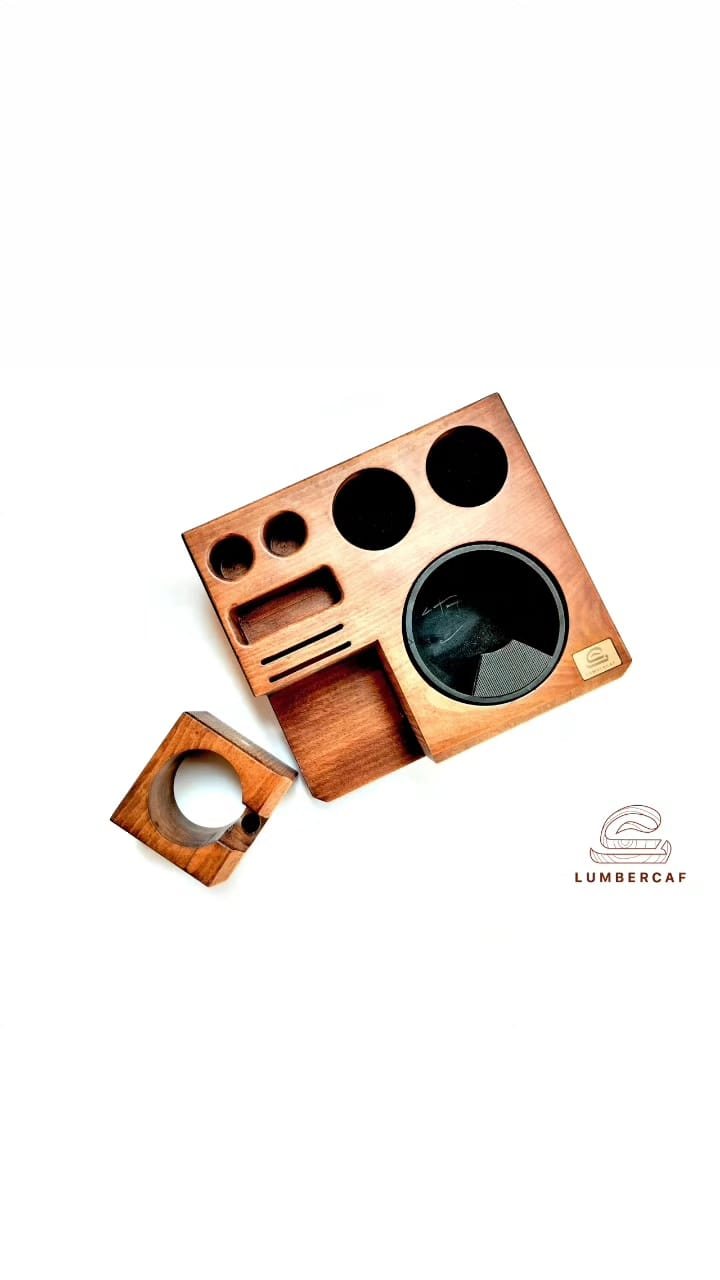 Read01
Selecting the plank
Boards are chosen individually, not by the pallet. Grain direction, moisture content, and whether the board has any memory of a twist in it. A plank that moves on the rack will move again after it is cut.
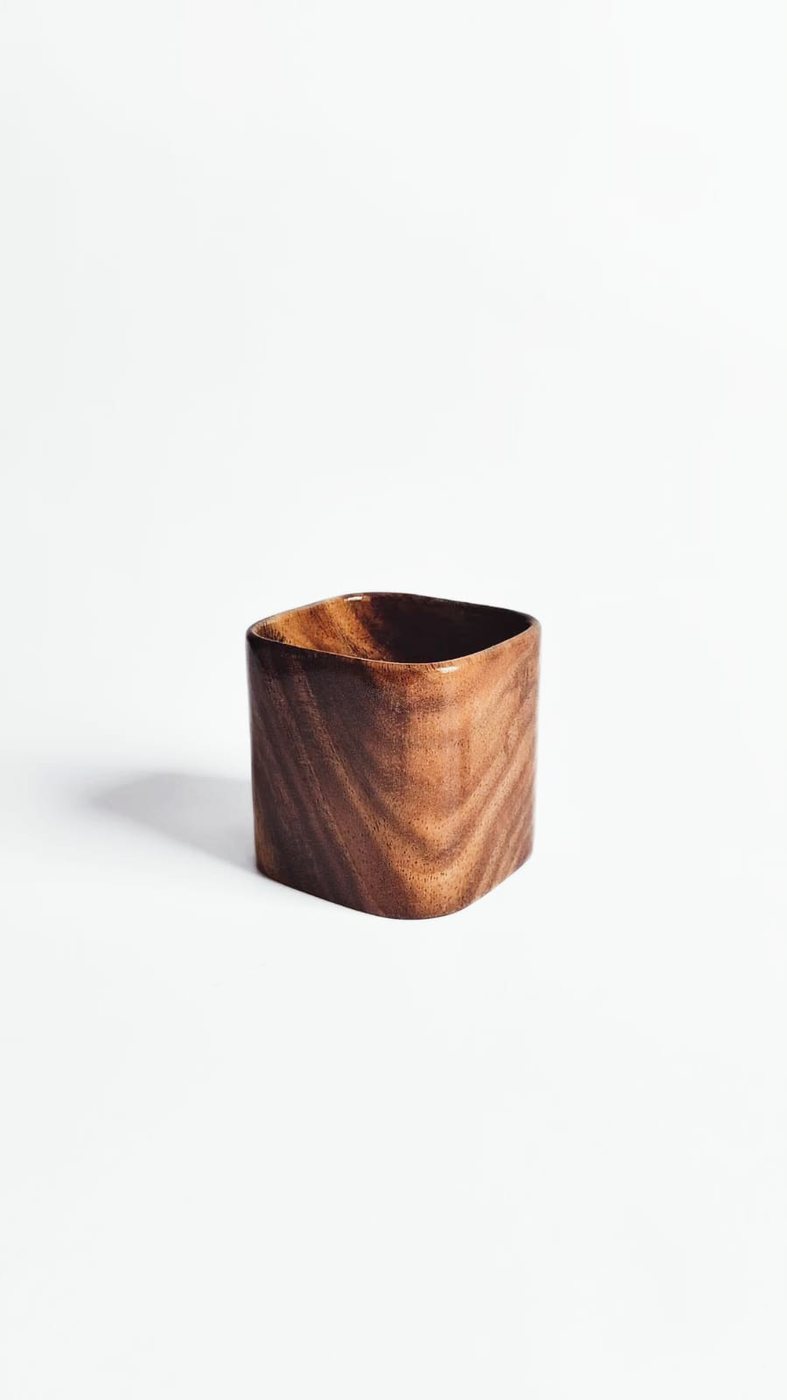 Cut02
Cut02Cutting and shaping
Rough dimensioning by machine, final shaping by hand. Curves are cut proud and taken back with a spokeshave — a router follows a template, a hand follows the grain. A portafilter cradle is cut last, fitted to an actual basket.
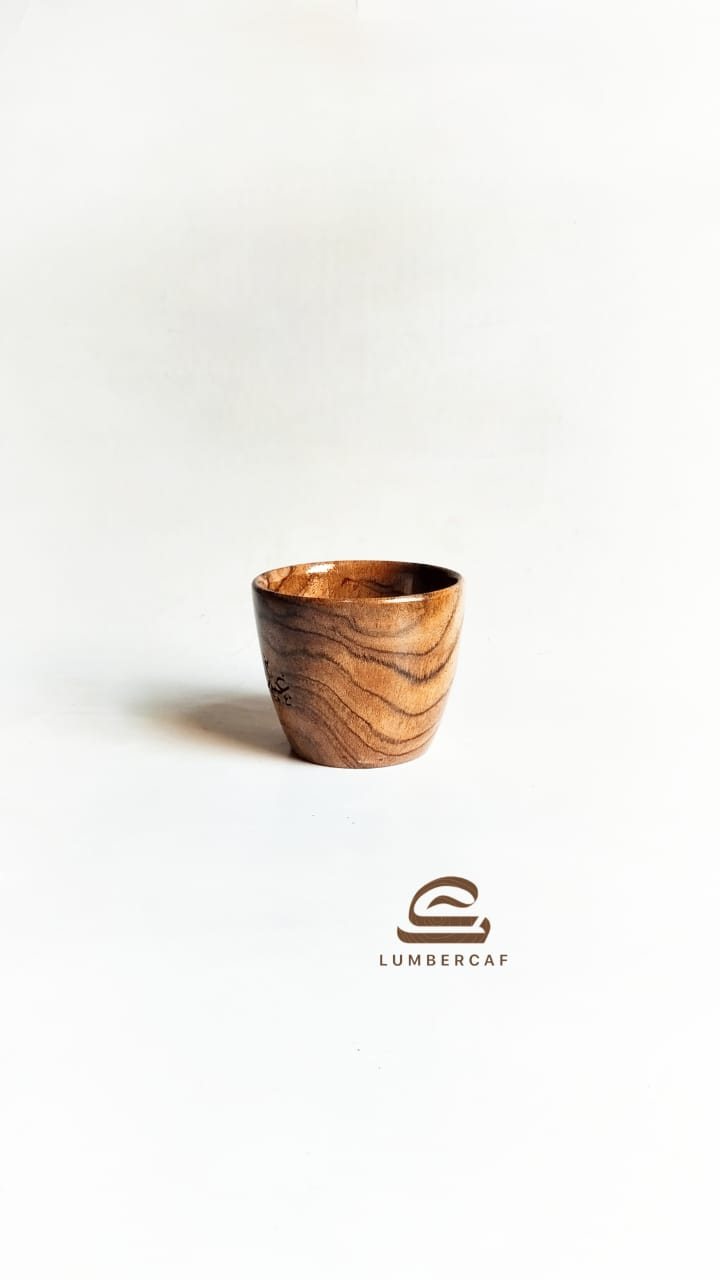 Join03
Joinery
Wedged mortise and tenon where the joint carries weight, mitres where it does not. Screws only where a screw is the better answer. Glue supplements a joint that already holds; it is never the joint itself.
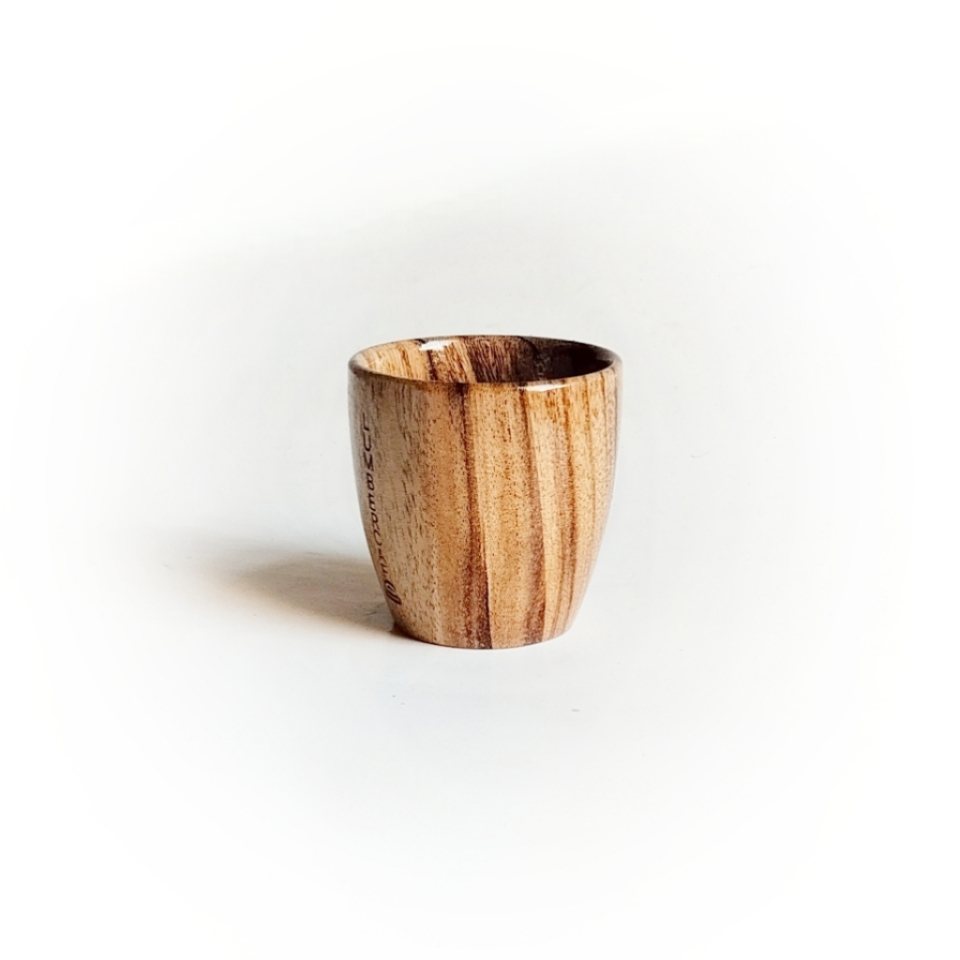 Sand04
Sanding
Five grits, finishing at 320. Between the last two we wet the surface to raise the grain, let it dry and cut it back — otherwise the first spill in your kitchen does it for us.
 Finish05
Oil and wax
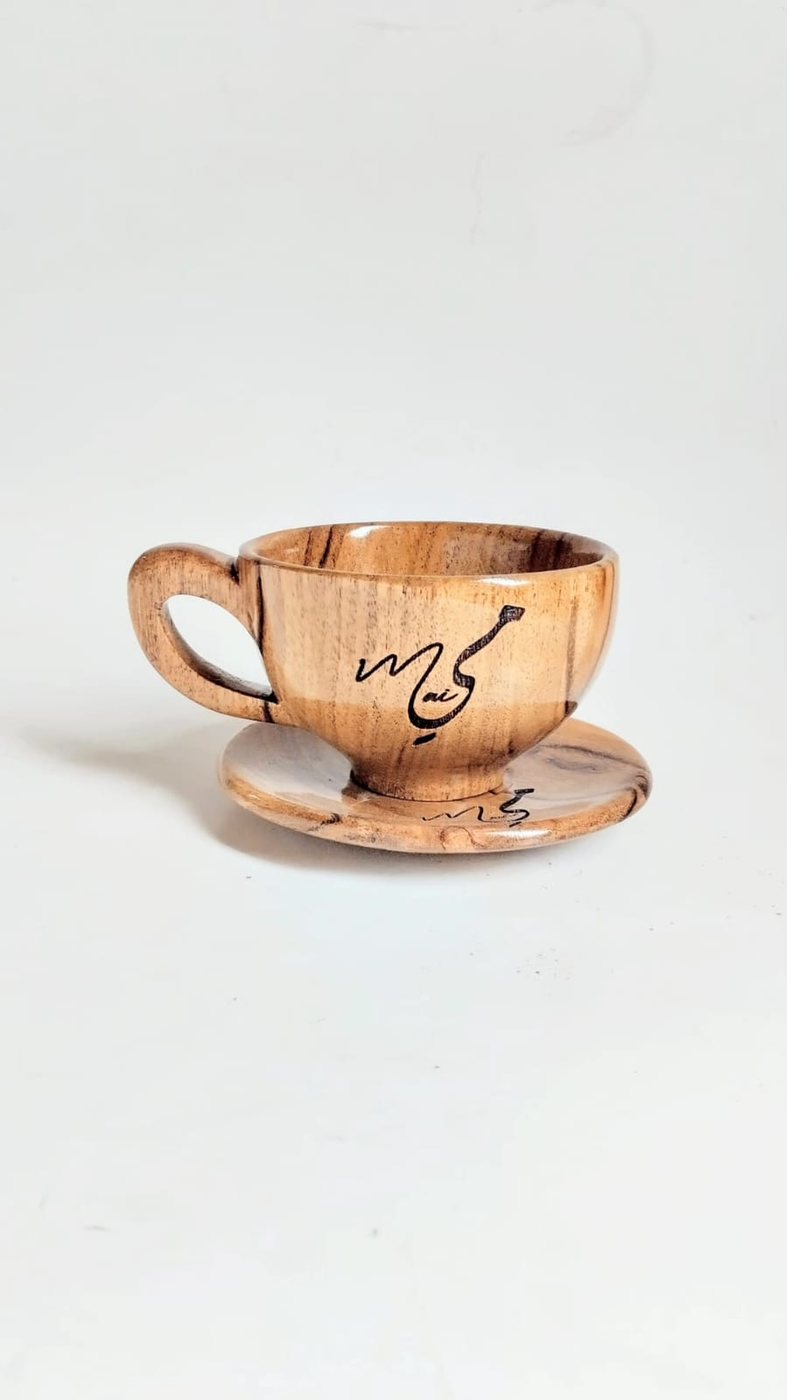
Food-safe mineral oil, three coats, wet-sanded on the first. Beeswax on top for anything handled daily. No lacquer: a film finish looks flawless until it chips, and then it can only be stripped.
 Mark06
Engraving
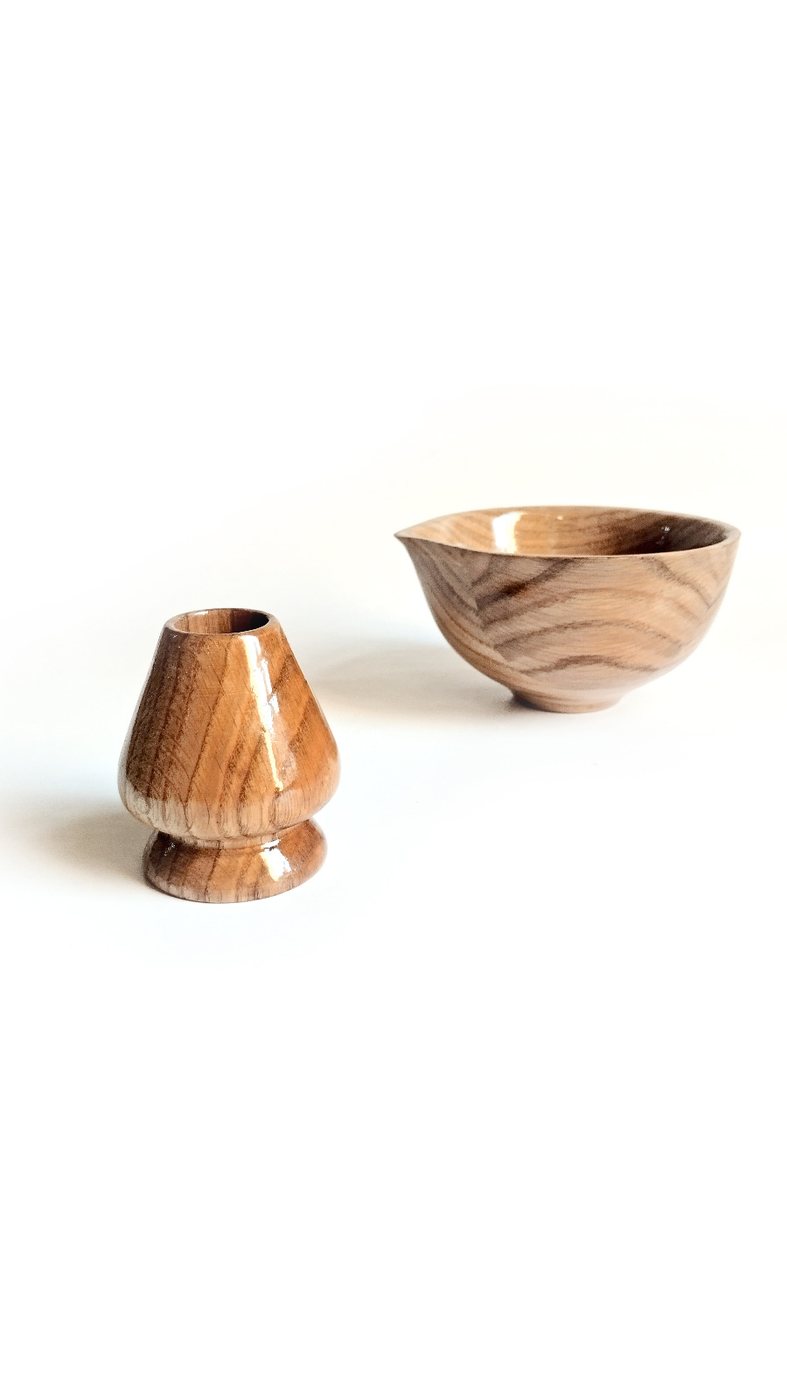
Laser, after finishing rather than before, so the oil does not fill the cut. Arabic and Latin both cut cleanly; Arabic needs lower power or the connecting strokes burn wide.
 Check07
Inspection
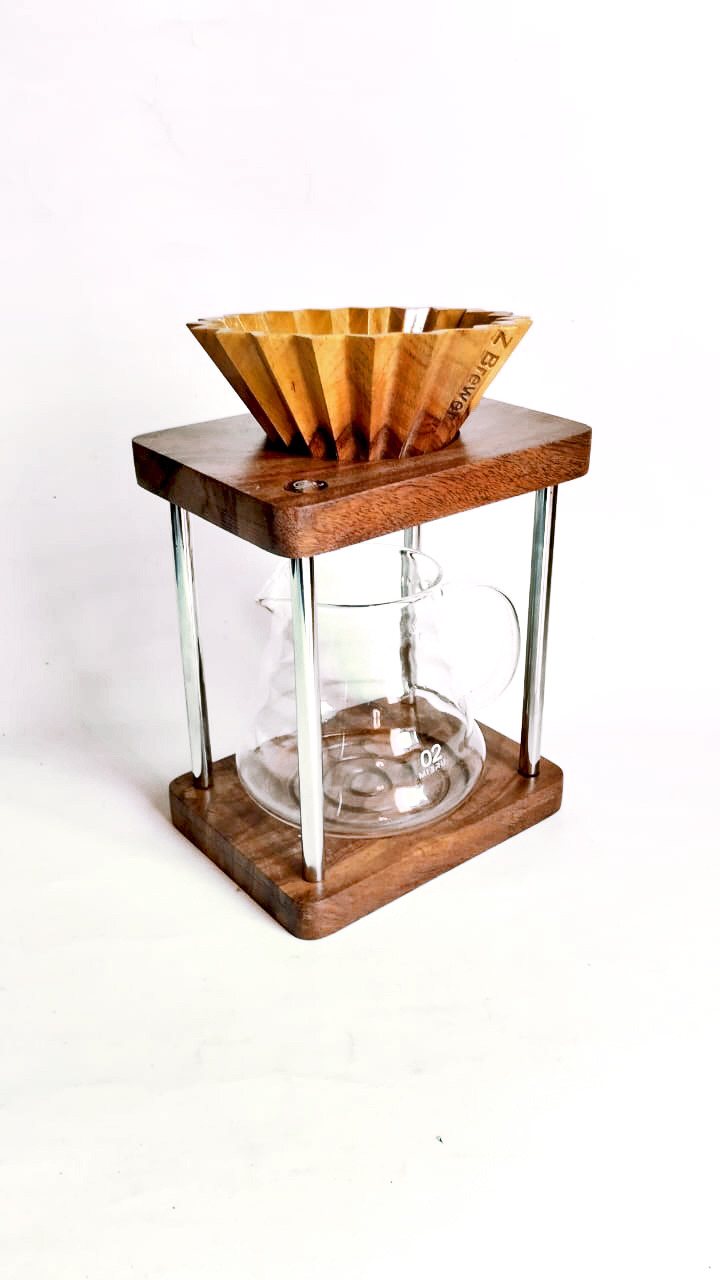
Measured against the spec, weighed, and sat on a flat surface to check it does not rock. Anything we would not put in our own kitchen becomes an offcut, or a second for the local market.
A machine can repeat a cut a thousand times. It cannot look at a board and decide the cut is wrong.
The whole process takes between two days and two weeks depending on the piece, most of which is waiting — for oil to cure, for a glue-up to come out of clamps, for a board to settle after it has been cut.
That waiting is not inefficiency. It is the part that makes the piece stay flat five years from now.
What we build it from →